


Most logistics teams think they have visibility. A tracking portal, a carrier update system, maybe a spreadsheet someone maintains religiously. But when a shipment goes quiet between handoffs or a temperature reading stops mid-route, that confidence unravels fast. Real visibility is not about having data somewhere. It is about having the right data at the right moment, before the situation becomes unfixable.
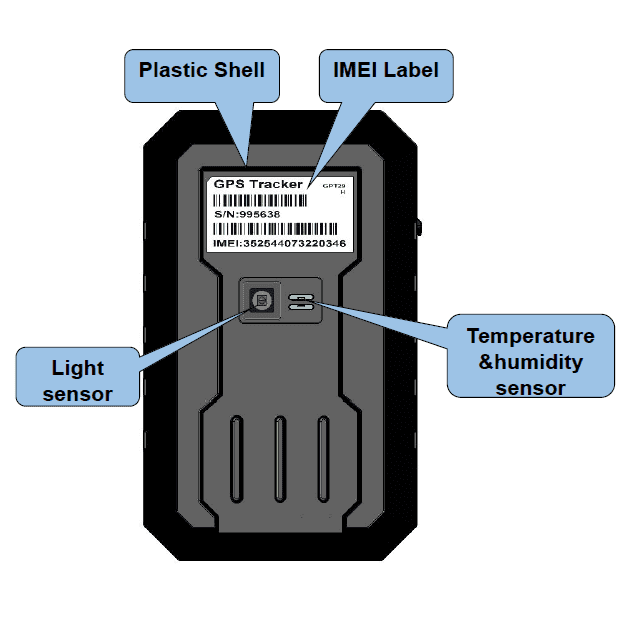
A supply chain tracking device closes the gap between assuming cargo is fine and actually knowing it is. Location alone does not cut it anymore. Temperature, humidity, shock, light exposure, orientation — that is the layer of data that tells you what is happening inside the shipment. A coordinate tells you the box exists somewhere on the planet. Condition data tells you whether what is inside still has any value when it lands.
The Complexity Nobody Talks About Until It Costs Them
Why Multiple Handoffs Break Visibility Fast: Cross-border freight moves through more hands than most dashboards ever show. Freight forwarder, port handler, customs broker, last-mile carrier. Each runs its own system, reports on its own schedule, some not reporting between updates at all. What arrives on your screen is a patchwork. By the time the gaps become obvious, the window to do something about them has already passed.
The Handoff Moment Nobody Monitors Closely Enough: A container loaded correctly at origin can sit on a dock for six hours with nothing watching it. No alerts, no condition updates, no record of what shifted during that window. It happens regularly, and most teams only find out when something arrives damaged and the timeline stops making sense. Dwell periods carry real supply-chain risks. Treating them as monitoring gaps is exactly where avoidable losses start accumulating.
When Data Lives in Silos, Shipments Pay the Price
Disconnected Systems Create Decisions Based on Old Information: Your warehouse platform, transport management system, and carrier portal each update on its own clock. They do not talk to each other, not cleanly anyway. So decisions get made on the most recently pulled report, which might be four hours old and already wrong. Real-time telemetry feeding into one platform changes that. Your team stops managing the last known state and starts managing what is actually happening.
The Cost of Not Knowing Adds Up Quietly: A three-hour temperature deviation on a pharmaceutical load does not announce itself. It sits outside the threshold until someone checks manually or an alert that never came should have arrived. By then, the damage is done and the claim gets filed. That cycle repeats until the data gap behind it gets addressed. Data gaps, left alone, very rarely sort themselves out without something structural changing first.
What Unified Real-Time Data Actually Changes
Shared Visibility Reshapes How Stakeholders Operate: Put the freight forwarder, warehouse team, and end client on the same live feed, and the dynamic shifts. Status emails stop. ETA calls drop off. Decisions happen faster because the information is already there, shared, and current. That is a genuinely different operation from one held together by periodic check-ins and updates that may or may not reflect what is actually on the ground right now.
The Visibility Metrics That Signal a Healthy Supply Chain: Condition-aware tracking hardware captures the data points that matter across every transit leg. Key monitoring capabilities include:
- Location updates at configurable intervals, so stakeholders get accurate position data on a reliable rhythm rather than waiting on carrier check-ins that arrive when they arrive.
- Temperature and humidity are tracked continuously, with alerts that fire fast enough for your team to act before cargo quality reaches a point where acting no longer changes the outcome.
- Shock and vibration captured with timestamps, providing teams with a documented record of incident handling that stands up when a damage claim requires more than a verbal account.
- Light exposure alerts that fire during sealed transit legs, picking up unauthorised access events that a standard location tracker would never catch or log.
- Drop and orientation data recorded in real time, flagging mishandling regardless of which carrier or facility is currently holding the consignment.
Compliance Gets Easier When the Record Builds Itself: Cold chain and pharmaceutical cargo regulations keep tightening. Auditors expect a complete transit record, not something reconstructed at delivery from partial data. Data logging running continuously from origin to destination builds that record automatically. When a client or regulator asks for it, it is there, timestamped and verifiable, with no frantic record-chasing involved.
The Platform That Pulls It All Together
Hardware That Reads Every Variable, Not Just the Easy Ones: Most trackers report location. Better ones add a condition variable or two. Supply chain tracking hardware built for serious logistics reads location, temperature, humidity, light, shock, drops, vibration, and orientation together, across one device. Alerts reach whatever device your team is using. The shift from learning what happened to knowing as it happens is real, and it shows up in outcomes fairly quickly.
Alert Thresholds That Fit the Cargo, Not the Other Way Around: Pharmaceutical cold-chain loads and industrial equipment share almost nothing in common in terms of risk profile. A threshold built for one generates noise for the other, and noise gets ignored fast. Configurable alerts per shipment type, per route, and per client requirement mean your team gets notifications worth acting on, not a flood that gradually trains everyone to stop paying attention.
The Operation That Sees Everything, Misses Nothing
Visibility gaps do not stay small. A missed alert at handoff becomes a damaged consignment at delivery. A data silo that seemed manageable becomes a client escalation nobody wanted. Logistics operations that hold up under pressure are the ones where every leg is monitored, every threshold is watched, and every stakeholder works from the same live picture. Explore supply chain tracking solutions built for that standard, and find out what changes when nothing slips through unnoticed.
