



Photo by Erik Mclean on Unsplash
Ordering food, tracking a package, or checking the location of a rideshare vehicle has become second nature for modern consumers. We live in an age where people expect information instantly and want to know exactly where their purchases are and when they will arrive. These expectations are no longer limited to retail or food delivery. They are influencing industries that were once considered complex and difficult to navigate, including vehicle transportation.
Shipping a vehicle used to involve a significant amount of uncertainty. Customers often relied on phone calls, paper documents, and occasional updates to learn the status of their shipment. Today, technology is transforming the experience. Digital tools, online booking systems, and real-time communication are making vehicle transportation more transparent and easier to manage than ever before. As technology continues to reshape customer expectations, the vehicle shipping industry is evolving right alongside it.
Real-Time Tracking Is Changing Customer Expectations
One of the biggest technological developments in logistics has been the widespread adoption of tracking technologies. People no longer want to simply know that their vehicle is on the way. They want updates that provide reassurance and help them plan accordingly. Real-time information reduces uncertainty and improves the overall customer experience.
The vehicle transportation industry has gradually adopted many of the digital features consumers now expect from modern services. Companies including https://www.a1autotransport.com/ enable customers to request quotes online, monitor shipments, and arrange transportation for motorcycles, everyday vehicles, luxury cars, and heavy equipment. These tools have helped turn a process that once seemed complicated into one that is far easier to navigate.
For customers, this means greater convenience and less uncertainty. Instead of relying entirely on phone calls or waiting for occasional updates, they can follow much of the transportation process online and stay informed from pickup to delivery.
Why Consumers Expect More Visibility Than Ever
The digital economy has changed how people think about convenience and information. Consumers are accustomed to tracking nearly every aspect of their purchases, from online shopping orders to airline reservations.
This shift has created new standards across multiple industries. People increasingly expect immediate access to information, simplified booking processes, and regular updates throughout a service experience. Vehicle transportation is no exception. Shipping a car, motorcycle, or specialty vehicle often represents a significant financial investment, and customers naturally want greater visibility throughout the process. They want to know when the vehicle is picked up, where it is located during transit, and when it is expected to arrive. The companies that can provide this level of transparency are increasingly standing out in a competitive market.
The Digital Transformation of Vehicle Transportation
Technology has fundamentally changed how transportation services operate. Many companies have moved away from traditional paper-based systems and adopted digital platforms that streamline communication and improve efficiency.
Online quote systems allow customers to receive pricing information within minutes. Digital scheduling tools simplify bookings and reduce administrative delays. Electronic documentation makes it easier to manage information while minimizing paperwork and manual errors.
Behind the scenes, logistics software also helps transportation providers coordinate drivers, optimize routes, and manage shipments more efficiently. The result is a smoother experience for both companies and customers, making vehicle transportation more accessible and easier to understand for people arranging a shipment for the first time.
From Phone Calls to Online Booking
Only a few years ago, arranging vehicle transport often involved numerous phone calls and extended waiting periods. Customers needed to speak directly with representatives to obtain estimates, confirm schedules, and request updates.
Today, many of these steps can be completed online. Modern consumers appreciate the ability to compare options, request information quickly, and complete bookings whenever it suits their schedule. Digital platforms allow users to begin the transportation process from a computer or mobile device, eliminating many of the traditional barriers that once made vehicle shipping feel complicated. The increasing use of online systems has also improved transparency by giving customers easier access to information throughout the transportation process.
Data and Automation Are Reshaping Logistics
Technology is not only improving the customer experience; it is also changing how transportation companies operate internally.
Advanced software can analyze routes, estimate delivery times, and improve resource allocation. Automation helps companies process information more efficiently and respond to changing conditions more quickly.
Data has become one of the industry’s most valuable resources. Transportation providers can use historical information, traffic patterns, and operational insights to improve planning and deliver more accurate estimates. As these technologies continue to evolve, customers may benefit from even greater visibility, faster communication, and more personalized services.
Why Transparency Has Become a Competitive Advantage
Consumers are increasingly choosing businesses that communicate clearly and provide accessible information. According to Forbes, transparency has become an important competitive advantage in many industries because customers value companies that offer clear communication and real-time access to information. This trend has encouraged businesses to invest heavily in digital tools that improve visibility and strengthen customer trust.
The vehicle transportation industry reflects this broader shift. Customers no longer view updates and tracking as optional features. Instead, they increasingly see them as standard expectations. Companies that can simplify complicated processes and provide consistent communication are likely to remain well positioned as customer expectations continue to rise.
The Next Step in Digital Logistics
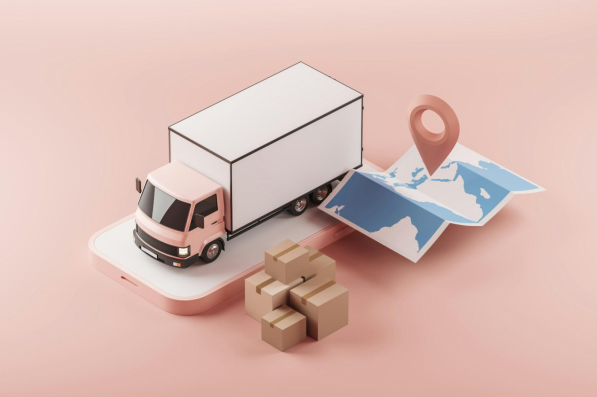
Photo by Getty Images on Unsplash
The next generation of vehicle transportation will likely become even more connected and data-driven. Artificial intelligence, predictive analytics, and increasingly sophisticated logistics software may further improve efficiency and provide customers with even greater control over the shipping experience.
Mobile applications, automated notifications, and enhanced tracking systems are expected to continue shaping the industry. As technology advances, the gap between transportation services and other digital experiences will continue to narrow. Customers will expect the same convenience and transparency from vehicle shipping that they already enjoy when ordering products online or booking travel.
The transportation of vehicles may always involve complex logistics behind the scenes, but from the customer’s perspective, the process is becoming simpler, faster, and more transparent. In many ways, the future of vehicle shipping is not simply about moving cars from one location to another. It is about using technology to remove uncertainty, improve communication, and create an experience that meets the expectations of today’s digital consumer.
