


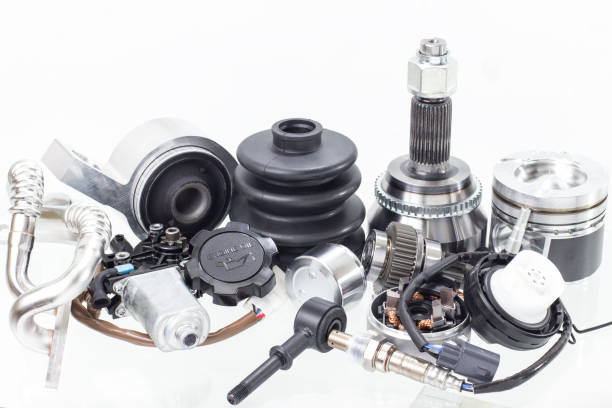
Diesel engines are built to handle demanding operating conditions, but even durable engines depend on regular care to perform reliably. Every component inside an engine has a specific role, and wear in one part can affect the performance of others. Proper maintenance helps identify developing problems early, reduce unnecessary wear, and keep important components working as intended.
Understanding how maintenance affects Diesel Engine Spare Parts can help engine owners take a more proactive approach to inspections, servicing, and replacement. Rather than waiting for a component to fail, routine maintenance can help extend service life and support consistent engine performance.
Why Maintenance Matters for Diesel Engine Components
Diesel engines operate under high temperatures, pressure, vibration, and mechanical stress. Over time, these conditions can contribute to wear and deterioration. Contaminated fluids, inadequate lubrication, overheating, and delayed servicing can accelerate the process.
Regular maintenance addresses many of these factors before they cause significant damage. It also provides an opportunity to identify developing problems and determine when specific Diesel Engine Spare Parts may need inspection, repair, or replacement.
Proper maintenance can help:
- Reduce premature component wear
- Identify developing mechanical problems
- Maintain effective lubrication
- Improve operating reliability
- Reduce unexpected downtime
- Support longer component service life
Maintenance does not make components last indefinitely, but it can help them perform within their intended operating conditions for longer.
Keep Engine Oil Clean and at the Correct Level
Lubrication plays an important role in reducing friction between moving engine components. Engine oil helps create a protective layer between surfaces that would otherwise experience direct contact.
When oil becomes contaminated or its condition deteriorates, it may become less effective at protecting components. Insufficient oil can also increase friction and heat, potentially accelerating wear.
Regularly checking oil levels and following the engine manufacturer’s recommended oil-change intervals can help maintain appropriate lubrication. The correct oil specification should also be used because different diesel engines can require different lubrication characteristics.
Replace Filters at Appropriate Intervals
Filters help prevent contaminants from entering critical engine systems. Air, fuel, and oil filters each perform different functions, but all contribute to protecting engine components.
A clogged air filter can restrict airflow and affect combustion. A contaminated fuel filter may interfere with fuel delivery, while an overloaded oil filter can reduce effective filtration.
Replacing filters according to recommended service intervals can help reduce the amount of dirt and contaminants reaching sensitive components. Operating conditions should also be considered because engines working in dusty or demanding environments may require more frequent attention.
Monitor the Cooling System
Excessive heat can negatively affect many engine components. The cooling system is designed to help maintain an appropriate operating temperature, making its condition important for overall engine reliability.
Coolant levels, hoses, radiator condition, belts, and related components should be inspected as part of routine maintenance. Signs of coolant leaks or unusual temperature increases should not be ignored.
An engine that repeatedly operates at excessive temperatures may experience accelerated deterioration of seals, gaskets, hoses, and other components. Addressing cooling-system problems early can therefore help prevent additional damage.
Inspect Components for Signs of Wear
Routine visual and mechanical inspections can reveal problems before they become serious. Depending on the engine, maintenance checks may include inspecting belts, hoses, gaskets, bearings, injectors, pumps, and other components.
Common warning signs can include:
- Unusual noises or vibrations
- Oil or coolant leaks
- Reduced engine performance
- Excessive smoke
- Difficult starting
- Unusual operating temperatures
A single symptom does not always identify a specific failed component. Professional diagnosis may be necessary to determine the actual cause of a problem.
Follow a Preventive Maintenance Schedule
Preventive maintenance is based on servicing an engine before a component failure occurs. Instead of relying solely on repairs after something goes wrong, scheduled inspections and servicing help keep components within appropriate operating conditions.
A maintenance schedule may include daily checks, periodic inspections, fluid changes, filter replacements, and more detailed servicing at specified operating-hour intervals.
Keeping accurate maintenance records can also be useful. Records can show when fluids and filters were replaced, when inspections were performed, and whether recurring issues have developed.
Use Correct Replacement Components
Even with good maintenance, some components eventually require replacement. Choosing a component that matches the engine’s specifications is important for proper fit, operation, and compatibility.
Incorrect or unsuitable components may cause installation problems or affect how related systems operate. Before replacing a component, engine identification information and manufacturer specifications should be checked carefully.
Quality is also an important consideration, but the appropriate component should always be selected based on the engine’s requirements rather than appearance or price alone.
Pay Attention to Operating Conditions
Maintenance requirements can vary depending on how and where an engine is used. An engine operating continuously under heavy loads may experience different levels of stress compared with one used intermittently.
Dust, high temperatures, humidity, frequent starting and stopping, and extended periods of heavy operation can all influence component wear.
Understanding these conditions allows maintenance schedules to be adjusted when appropriate. For example, equipment working in particularly dusty environments may need closer attention to air filtration and related components.
Avoid Delaying Minor Repairs
A small issue can sometimes develop into a larger mechanical problem when it is ignored. A minor oil leak, worn belt, damaged seal, or unusual noise may indicate that a component requires attention.
Continuing to operate an engine without investigating a developing problem can place additional stress on connected components. Early diagnosis may make it possible to address the original issue before it contributes to more extensive damage.
This is one reason routine inspections are valuable even when an engine appears to be operating normally.
How Maintenance Extends Component Life
The relationship between maintenance and component life is relatively straightforward. Components experience less unnecessary stress when they receive proper lubrication, clean fluids, adequate cooling, and suitable filtration.
Regular inspections also make it easier to identify deterioration before a component reaches a critical failure point. Together, these practices can reduce avoidable wear and help an engine’s Diesel Engine Spare Parts remain functional for their expected service period.
However, maintenance should always follow the engine manufacturer’s specifications. Service intervals, fluid requirements, inspection procedures, and replacement recommendations can differ between engines.
Final Thoughts
Proper maintenance is an essential part of keeping diesel engines dependable and their components in good working condition. Regular fluid checks, filter replacement, cooling-system inspections, preventive servicing, and timely repairs can all help reduce unnecessary wear.
Taking care of Diesel Engine Spare Parts is not simply about responding when something fails. It involves understanding how an engine operates, following an appropriate maintenance schedule, monitoring warning signs, and using components that meet the required specifications.
With consistent maintenance and timely attention to developing issues, engine owners can help protect important components, reduce avoidable downtime, and support reliable long-term operation.
