


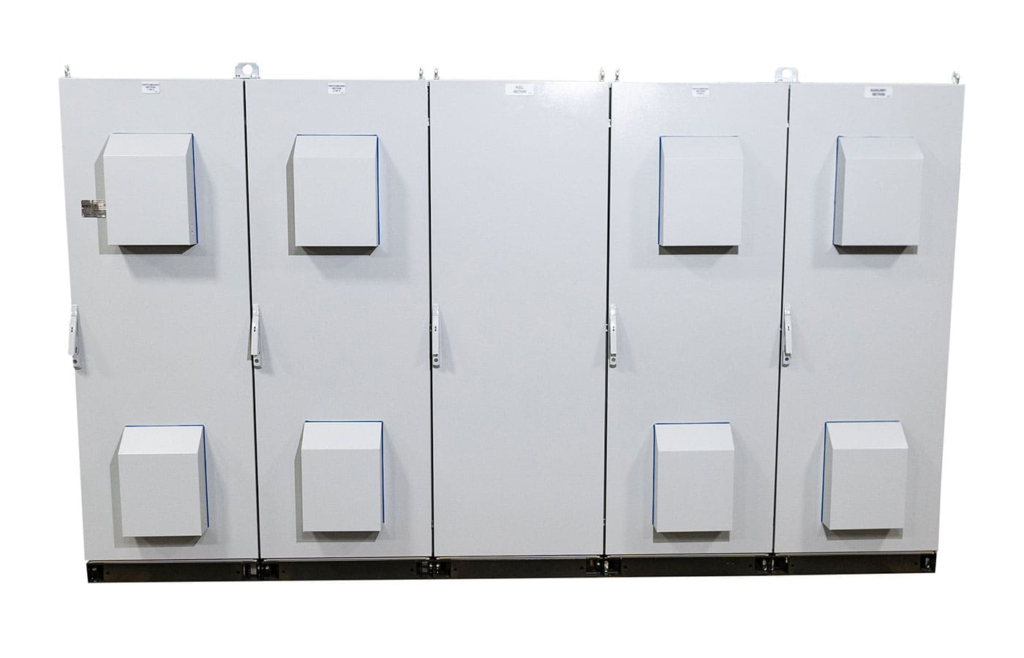
Reliable electrical distribution is essential for commercial buildings, industrial facilities, residential complexes, and infrastructure projects. As electrical systems become more advanced and power demands continue to increase, organizations require solutions that provide enhanced safety, operational control, and dependable performance. Modern low voltage switch board systems delivering superior protection are designed to manage electrical distribution efficiently while safeguarding equipment, personnel, and critical operations.
Low voltage switchboards serve as the central control point for distributing electrical power from incoming sources to various circuits and connected loads. With advanced protection technologies, improved construction methods, and intelligent monitoring capabilities, modern systems provide a higher level of electrical safety compared to traditional distribution equipment.
These innovative solutions help reduce electrical risks, improve energy management, and support reliable operation across a wide range of applications.
Understanding Low Voltage Switch Board Systems
A low voltage switchboard is an electrical distribution assembly designed to control and distribute power at low voltage levels within a facility. It receives electricity from a transformer or main power source and directs it safely to different electrical circuits.
These systems typically contain multiple components, including:
- Circuit breakers
- Busbars
- Protection devices
- Metering equipment
- Control units
- Monitoring systems
The primary purpose of a low voltage switchboard is to ensure that electrical power reaches connected equipment safely and efficiently while protecting the system from faults and overload conditions.
Modern switchboards are engineered to handle complex electrical requirements while providing easier operation, maintenance, and expansion capabilities.
Importance of Superior Protection in Electrical Distribution
Electrical systems face various challenges, including overloads, short circuits, voltage disturbances, and equipment failures. Without proper protection, these issues can result in equipment damage, production interruptions, and safety hazards.
Advanced low voltage switchboards provide protection by:
- Detecting abnormal electrical conditions
- Automatically disconnecting faulty circuits
- Preventing damage to connected equipment
- Improving operator safety
- Maintaining system reliability
Superior protection ensures that electrical networks continue operating efficiently even when unexpected conditions occur.
Advanced Features of Modern Low Voltage Switchboards
Intelligent Circuit Protection
One of the most important advancements in modern switchboard technology is intelligent circuit protection.
Traditional protection systems provided basic fault interruption, while modern solutions use advanced protective devices capable of monitoring electrical conditions continuously.
Intelligent protection systems can detect:
- Overcurrent situations
- Short circuits
- Ground faults
- Thermal overloads
- Abnormal voltage conditions
When a fault is identified, the system responds quickly to isolate the affected section and minimize disruption.
Digital Monitoring and Control
Modern low voltage switchboards integrate digital monitoring technologies that provide detailed information about electrical performance.
These systems can monitor:
- Energy consumption
- Voltage levels
- Current measurements
- Power quality
- Equipment status
Real-time information allows facility managers to make better decisions regarding energy usage, maintenance schedules, and system improvements.
Enhanced Safety Design
Safety is a primary consideration in the development of modern switchboard systems.
Advanced designs include features such as:
- Protective barriers
- Secure compartments
- Improved insulation systems
- Arc protection solutions
- Safer maintenance access
These features reduce the risk of electrical accidents and create safer working environments for maintenance personnel.
Benefits of Modern Low Voltage Switchboard Systems
Reliable Power Distribution
A dependable power distribution system ensures that electrical equipment receives stable and consistent power.
Modern switchboards improve reliability by providing:
- Accurate power management
- Efficient load distribution
- Fast fault response
- Reduced system interruptions
This is especially important for facilities where continuous operation is critical.
Improved Equipment Protection
Electrical equipment represents a significant investment for businesses and industries.
Low voltage switchboards protect valuable equipment by preventing damage caused by:
- Excessive current
- Electrical faults
- Voltage instability
- Overheating
By controlling electrical conditions, these systems help extend the lifespan of connected devices and machinery.
Better Energy Management
Energy efficiency has become an important goal for organizations looking to reduce operational costs.
Modern switchboards support better energy management through:
- Accurate energy measurement
- Load monitoring
- Consumption analysis
- Improved distribution efficiency
These capabilities help identify energy waste and improve overall system performance.
Simplified Maintenance
Advanced switchboard designs make inspection and maintenance easier.
Features such as modular components, digital diagnostics, and accessible layouts allow maintenance teams to identify problems quickly and reduce downtime.
Applications of Low Voltage Switch Board Systems
Industrial Facilities
Industrial environments require strong electrical protection because they often operate heavy machinery and automated systems.
Low voltage switchboards are used in:
- Manufacturing plants
- Processing facilities
- Assembly lines
- Industrial control systems
They help maintain stable power delivery while protecting sensitive equipment.
Commercial Buildings
Office buildings, shopping centers, hotels, and business complexes depend on reliable electrical distribution.
Modern switchboards support:
- Lighting systems
- HVAC equipment
- Security systems
- Communication networks
- Building automation
Efficient electrical management helps improve operational performance and occupant safety.
Residential Developments
Large residential projects require organized and reliable electrical distribution.
Low voltage switchboards provide controlled power delivery for:
- Apartment complexes
- Housing communities
- Common area facilities
- Backup power systems
Their compact and efficient design makes them suitable for modern residential infrastructure.
Healthcare Facilities
Hospitals and healthcare centers require highly reliable electrical systems to support critical equipment.
Advanced switchboards help maintain continuous power availability for:
- Medical devices
- Emergency systems
- Lighting
- Monitoring equipment
Enhanced protection features are especially important in environments where electrical reliability directly impacts operations.
Key Components of a Modern Low Voltage Switchboard
Busbar Systems
Busbars distribute electrical power within the switchboard.
High-quality busbar designs improve current handling capability and reduce electrical losses.
Circuit Breakers
Circuit breakers protect circuits by interrupting power flow during abnormal conditions.
Modern breakers often include advanced monitoring and communication features.
Protection Relays
Protection relays continuously evaluate electrical conditions and trigger protective actions when faults occur.
Metering Devices
Digital meters provide accurate measurements of electrical parameters, supporting better energy management and system analysis.
Control Panels
Control panels allow operators to monitor and manage switchboard functions efficiently.
Factors to Consider When Selecting a Low Voltage Switchboard
System Requirements
The switchboard should match the electrical capacity and operational requirements of the facility.
Proper selection ensures efficient performance and reliable protection.
Safety Features
High-quality systems should include appropriate protection features based on the application environment.
Important considerations include:
- Fault protection
- Insulation quality
- Safety access
- Emergency operation features
Scalability
Electrical requirements often increase as businesses and facilities expand.
Modular switchboard designs allow future upgrades without replacing the entire system.
Installation Environment
The installation location influences switchboard design.
Factors such as temperature, moisture, dust, and available space should be considered before selection.
Future Developments in Low Voltage Switchboard Technology
The future of electrical distribution is moving toward smarter and more connected systems.
Emerging trends include:
Smart Monitoring Solutions
Connected switchboards will provide deeper insights into electrical performance through advanced sensors and communication technologies.
Predictive Maintenance
Data analysis will help identify potential equipment issues before failures occur.
Energy Optimization
Future systems will improve energy efficiency by automatically adjusting power distribution based on demand.
Integration With Digital Platforms
Switchboards will increasingly connect with building management systems and industrial automation platforms for improved control.
Conclusion
Modern low voltage switch board systems delivering superior protection provide an effective solution for safe, efficient, and reliable electrical distribution. Through advanced protection devices, intelligent monitoring, flexible designs, and improved safety features, these systems help organizations manage electrical power with greater confidence.
From industrial plants and commercial facilities to residential developments and healthcare environments, modern switchboards play a vital role in protecting electrical assets and ensuring uninterrupted operations.
As electrical demands continue to grow, investing in advanced low voltage switchboard technology provides long-term benefits through improved safety, reduced downtime, better energy management, and dependable power control.
