


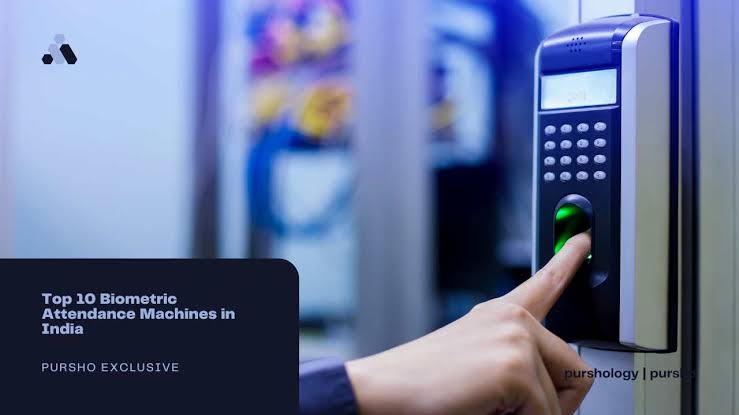
Hyderabad has become one of India’s fastest-growing business and technology hubs. From IT companies in HITEC City to hospitals, schools, manufacturing plants, warehouses, and retail chains, organizations are increasingly replacing manual attendance registers with AI-powered biometric attendance machines.
If you’re searching for the best biometric attendance machine in Hyderabad, this guide will help you understand the available options, important features, pricing factors, and why modern face recognition systems are becoming the preferred choice.
Why Businesses in Hyderabad Need a Biometric Attendance Machine
Traditional attendance methods create several problems:
- Buddy punching
- Manual attendance errors
- Payroll calculation mistakes
- Time theft
- Difficulty managing multiple branches
- No real-time attendance reports
Modern biometric attendance machines solve these challenges by automatically recording attendance using fingerprint, facial recognition, RFID cards, or multiple authentication methods.
Government organizations and enterprises are also increasingly adopting AI-based facial recognition attendance systems to improve transparency and workforce management.
What is a Biometric Attendance Machine?
A biometric attendance machine verifies an employee’s identity using unique biological characteristics such as:
- Face Recognition
- Fingerprint
- Palm Recognition
- RFID Card
- PIN Password
Once verified, attendance is recorded instantly and synchronized with attendance software or cloud-based HRMS.
Why Face Recognition Attendance Machines Are More Popular
After the pandemic, many companies shifted toward contactless attendance systems.
A face attendance machine offers:
- Completely touchless attendance
- Faster employee verification
- Better hygiene
- High accuracy
- Reduced maintenance
- Better user experience
Unlike fingerprint scanners, face recognition works quickly without physical contact. Modern AI algorithms can also recognize users wearing glasses, masks (supported models), or under varying lighting conditions.
Industries Using Biometric Attendance Machines in Hyderabad
Biometric attendance solutions are widely used across:
IT Companies
Manage hybrid teams with real-time attendance and cloud synchronization.
Manufacturing Units
Track multiple shifts and contract workers accurately.
Schools & Colleges
Automate staff and student attendance while reducing manual work.
Hospitals
Manage doctors, nurses, and support staff across different shifts.
Warehouses
Track worker attendance with accurate shift reporting.
Retail Stores
Monitor attendance across multiple outlets from one dashboard.
Features to Look for in the Best Biometric Attendance Machine
When purchasing a biometric attendance machine, look for these features:
AI Face Recognition
Fast identification with high accuracy.
Fingerprint Authentication
Reliable attendance even without internet connectivity.
Cloud Attendance
Access attendance records from anywhere.
Mobile App Support
Managers can view attendance reports on smartphones.
Payroll Integration
Automatically calculate salaries based on attendance.
Leave Management
Integrated leave requests and approvals.
Shift Management
Ideal for factories and businesses operating multiple shifts.
Real-Time Reports
Monitor late arrivals, overtime, absences, and working hours.
Multi-Location Support
Manage attendance across several offices from a centralized dashboard.
Access Control Integration
Combine attendance with door access for enhanced security.
Benefits of Installing a Face Attendance Machine
Organizations experience significant operational improvements after implementing biometric attendance systems.
Improved Accuracy
Eliminates manual attendance mistakes.
Stops Buddy Punching
Each employee is verified using unique biometric data.
Faster Payroll Processing
Attendance data automatically syncs with payroll software.
Saves Administrative Time
HR teams spend less time maintaining attendance records.
Better Employee Accountability
Employees maintain punctuality when attendance is automated.
Centralized Reporting
Generate daily, weekly, or monthly attendance reports instantly.
Why Cloud-Based Attendance is Better
Cloud biometric attendance systems offer several advantages over traditional offline devices.
Benefits include:
- Real-time synchronization
- Remote employee monitoring
- Automatic backups
- Multi-branch reporting
- Mobile attendance dashboard
- API integration with HRMS and ERP software
Choosing Between Fingerprint and Face Attendance Machines
| Feature | Face Recognition | Fingerprint |
| Contactless | ✅ Yes | ❌ No |
| Speed | Very Fast | Fast |
| Hygiene | Excellent | Average |
| Maintenance | Low | Moderate |
| User Experience | Better | Good |
| Best For | Offices, Schools, Hospitals | Factories, Warehouses |
Many organizations now prefer hybrid biometric machines that support both fingerprint and facial recognition for added flexibility.
Why Choose Nialabs Biometric Attendance Solution?
If you’re looking for a modern attendance solution in Hyderabad, Nialabs provides AI-powered biometric attendance systems designed for businesses of all sizes.
Key Features
- AI Face Recognition
- Fingerprint Authentication
- Cloud Dashboard
- Mobile Attendance App
- Shift Management
- Leave Management
- Payroll Integration
- Multi-Branch Management
- Real-Time Reports
- API Integration
- Employee Self-Service Portal
- Fast Installation & Support
Nialabs solutions are suitable for:
- Offices
- Schools
- Colleges
- Hospitals
- Manufacturing Units
- Retail Stores
- Warehouses
- Construction Companies
How to Select the Right Attendance Machine
Before purchasing, consider:
- Number of employees
- Single or multiple branches
- Face or fingerprint authentication
- Cloud or offline deployment
- HRMS integration
- Mobile app availability
- Future scalability
- Local installation and technical support
Frequently Asked Questions
Which biometric attendance machine is best in Hyderabad?
AI-powered face recognition machines with cloud connectivity are among the best options because they provide contactless attendance, real-time reporting, and seamless payroll integration.
Can biometric attendance machines work without the internet?
Yes. Most machines can store attendance locally and automatically synchronize with the cloud once the internet connection is restored.
Is face recognition better than fingerprint attendance?
For most offices, hospitals, schools, and IT companies, face recognition offers a faster, more hygienic, and contactless attendance experience. Fingerprint systems remain useful in industrial environments.
Can biometric attendance integrate with payroll software?
Yes. Modern biometric attendance solutions integrate with HRMS, payroll systems, ERP software, and mobile applications to automate attendance processing.
Conclusion
As Hyderabad continues to grow as a major technology and business hub, organizations need smarter ways to manage employee attendance. AI-powered biometric and face attendance machines improve accuracy, eliminate proxy attendance, streamline payroll, and provide real-time workforce visibility.
Whether you operate an IT company, school, hospital, factory, or retail business, investing in a cloud-enabled biometric attendance solution can significantly enhance operational efficiency. Choosing a scalable solution with AI face recognition, fingerprint support, cloud reporting, and HR integration will help future-proof your attendance management system.
