


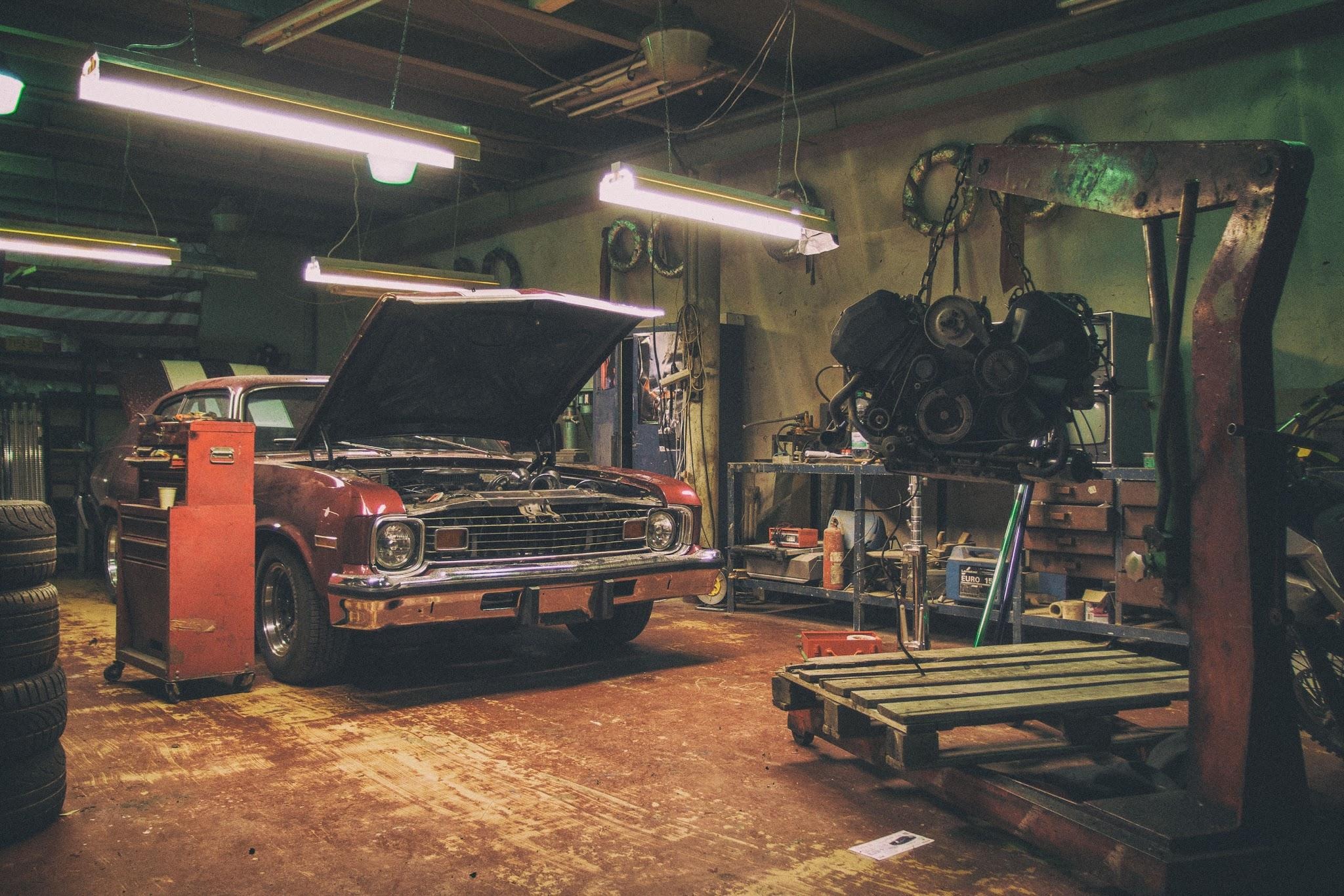
A faulty vehicle is rarely a simple story. One owner may see it as a repair challenge, another may see it as a resale problem, and a technician may see a trail of symptoms that need careful testing before any part is replaced. Whether the issue involves fuel delivery, engine control, overheating, electrical faults, smoke, hard starting, or warning lights, the safest path begins with understanding what failed, why it failed, and what must be corrected to return the vehicle to dependable use.
This matters because many engine problems do not stay neatly contained. A weak injector can affect combustion. A failing pump can reduce power under load. A poor electrical connection can confuse sensors or control modules. A neglected cooling issue can create heat stress across the engine. When owners rush into repairs without proper diagnosis, the result can become expensive, repetitive, and uncertain. Good repair planning turns a troubled vehicle from a guessing game into a structured decision.
Why Faulty Vehicles Need Careful Evaluation
A vehicle with known problems still has value, but that value depends on clarity. Buyers, repair shops, and owners want to know whether the issue is minor, moderate, or serious. A check engine light, rough idle, or fuel smell may be manageable if diagnosed early. Smoke, overheating, repeated stalling, or potential fire-related concerns require far more caution. The difference between a smart repair and a risky purchase often comes down to information.
A helpful guide on what buyers look for in faulty vehicles shows why transparency, repair history, visible condition, and mechanical clues influence decision-making. Buyers are not only asking what is broken. They are asking whether the problem can be understood, priced, and repaired without unpleasant surprises hiding behind the next panel.
Sourcing Parts When Faults Become Repairs
When a faulty vehicle needs engine parts, fuel system components, pumps, injectors, control modules, or diesel-related replacements, the repair decision should begin with correct fitment and dependable sourcing. In that context, Goldfarb Inc can support owners, repair shops, and equipment operators who need specialized engine parts matched to real applications rather than broad assumptions. Accurate sourcing helps reduce repeat repairs, protects diagnostic time, and gives a troubled vehicle a better chance of returning to safe, steady operation.
Engine Safety Should Come Before Cost Cutting
Faulty vehicles can tempt owners to chase the cheapest repair first. That approach may work for simple wear items, but it is dangerous when the issue involves fuel leaks, overheating, electrical faults, or engine fire risk. A low-cost part cannot compensate for poor diagnosis. A rushed repair may leave the real problem untouched, especially when symptoms involve several connected systems.
The importance of engine safety becomes clear when major automakers issue recalls for serious risks. Reports such as this coverage of SUV recalls over potential engine fires show why fuel, oil, heat, and electrical concerns should never be dismissed as ordinary inconvenience. When a vehicle shows signs of leakage, burning smell, smoke, overheating, or repeated warning lights, the safest move is inspection before continued use.
Small Symptoms Can Point to Larger Risk
Not every engine symptom means danger, but some deserve immediate attention. A fuel smell near the engine bay, visible leaks, smoke, overheating, sudden loss of power, repeated stalling, or warning lights paired with rough running should be taken seriously. These signs may point toward fuel system faults, oil leaks, ignition issues, sensor failures, wiring damage, or cooling problems. Each one needs context before a repair decision is made.
A small drip, a loose connector, or a worn seal may seem harmless at first, but engines operate with heat, pressure, vibration, and electrical load. Small faults can become louder under stress. That is why inspection matters before long trips, heavy towing, resale, or continued daily driving. The engine often whispers before it shouts, and ignoring the whisper can become expensive theater.
Fuel System Faults Are Often Misread
Fuel system problems are among the most commonly misunderstood engine issues. A clogged injector can feel like an ignition problem. A weak fuel pump can feel like transmission hesitation. Contaminated diesel fuel can resemble injector failure. A poor sensor can cause fuel trim changes that look like mechanical trouble. Because the symptoms overlap, fuel system repairs should be based on testing rather than assumption.
Good diagnosis may include checking fuel pressure, inspecting filters, scanning fault codes, reviewing live data, testing injectors, checking pump behavior, and looking for leaks or air intrusion. In diesel applications, the inspection may also include return flow, injector correction values, smoke behavior, and high-pressure system checks. The goal is to identify the actual cause instead of replacing parts in a parade of mechanical optimism.
Correct Fitment Protects the Repair
Replacement parts must match the vehicle’s exact requirements. A component may look similar and still be wrong for the engine. Model year, engine code, fuel system design, emissions configuration, pump type, injector specification, electronic module programming, and workload can all affect compatibility. This is especially important for diesel engines, commercial vehicles, older machines, and vehicles with previous repairs.
Incorrect fitment can create hard starts, poor power, warning lights, leaks, smoke, rough idle, or repeat failure. It can also make diagnosis more difficult because the new part adds another variable. The best repair starts before installation, with part verification, inspection of surrounding systems, and a clear understanding of why the original component failed.
Brand Section: Specialized Parts Support for Engine Repairs
Goldfarb Inc. serves owners, mechanics, diesel specialists, fleet operators, and equipment users who need practical access to engine components and fuel system parts. In faulty vehicle repair, the important question is not simply whether a part is available. The better question is whether the part fits the engine, supports the repair goal, and belongs in the system being restored.
That kind of support matters because many repairs happen under pressure. A truck may be down, a work machine may be idle, or a vehicle owner may need a clear decision before selling or keeping the vehicle. Accurate product categories and application-focused sourcing can help reduce uncertainty and move the repair process from confusion toward control.
How Owners Can Make Better Repair Decisions
Owners should begin with documentation. Service records, fault codes, inspection notes, previous repairs, and symptom timing all help technicians understand the vehicle faster. A problem that appears only when hot, only under load, or only during cold starts provides useful clues. Guessing without this information can lead to unnecessary parts and missed causes.
It is also wise to separate urgent safety concerns from ordinary maintenance. Fuel leaks, overheating, smoke, burning smells, and repeated stalling should move to the front of the repair queue. Cosmetic issues and minor wear can wait. Engines are practical machines, but they are not forgiving when safety-related faults are treated like background noise.
Conclusion
Faulty vehicles can still be repaired, sold, or kept in service, but only when their problems are understood clearly. Engine symptoms should be investigated with proper diagnosis, correct part matching, and attention to safety. Fuel system faults, control module issues, leaks, overheating, and warning lights all require thoughtful repair planning rather than quick assumptions.
The strongest approach is simple: inspect early, verify the fault, source accurately, and repair the system around the failed part. When owners and technicians treat engine problems with that discipline, a faulty vehicle has a better chance of becoming dependable again instead of becoming a recurring repair riddle with wheels.
