


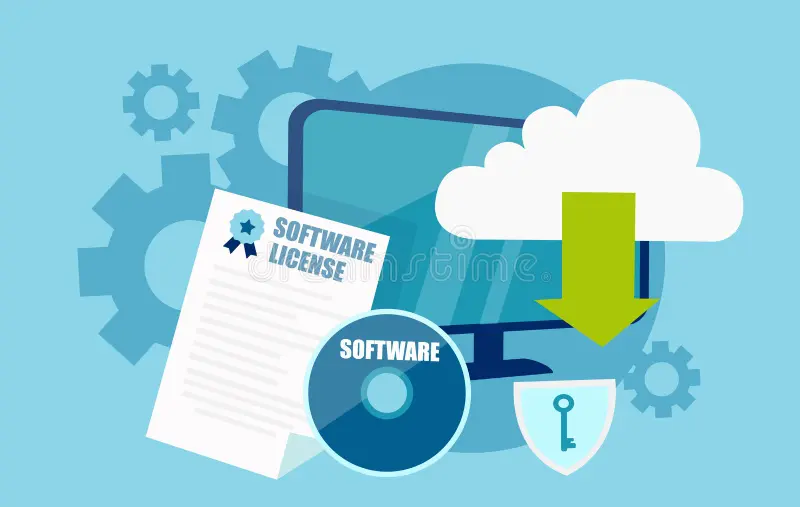
Software licensing is the legal framework that governs how software can be used, distributed, and modified. It defines the rights of both the software creator and the end user, ensuring that intellectual property is protected while allowing access to technology. At its core, a software license is a contract between the developer or publisher and the user, outlining what is permitted and what is restricted. This agreement is essential because software is not typically “owned” outright by users; instead, they are granted permission to use it under certain conditions.
There are several types of software licenses, each designed for different use cases. Proprietary licenses, for instance, restrict access to the source code and limit how the software can be used or shared. Open-source licenses, on the other hand, allow users to view, modify, and distribute the code, often fostering collaboration and innovation. Understanding these distinctions is crucial for businesses and individuals alike, as choosing the wrong type of license can lead to legal complications or unnecessary costs.
Types of Software Licenses and Their Applications
The world of Windows Server 2012 license is diverse, with various models tailored to different business needs. One of the most common is the perpetual license, which allows users to pay a one-time fee for indefinite use of the software. This model is popular among organizations that prefer long-term investments without recurring payments. However, it often requires additional fees for updates and support.
Subscription-based licensing has gained significant popularity in recent years, especially with the rise of cloud computing. In this model, users pay a recurring fee—monthly or annually—to access the software. This approach offers flexibility, regular updates, and lower upfront costs, making it attractive for startups and growing businesses. Additionally, there are usage-based licenses, where costs are tied to how much the software is used, and enterprise licenses, which provide broad access across large organizations. Each type serves a unique purpose, and selecting the right one depends on factors such as budget, scalability, and operational needs.
Legal and Compliance Considerations
Software licensing is not just a technical matter; it also involves significant legal considerations. Organizations must ensure compliance with licensing agreements to avoid penalties, fines, or legal disputes. Non-compliance can occur in various ways, such as installing more copies of software than allowed or using it beyond the agreed scope. These violations can lead to audits, which are increasingly common in the corporate world.
To mitigate risks, businesses often implement software asset management (SAM) practices. These involve tracking software usage, maintaining accurate records, and ensuring that all licenses are up to date. Compliance is particularly critical in industries that handle sensitive data, where unauthorized software use can lead to security vulnerabilities. By understanding and adhering to licensing terms, organizations can protect themselves legally while maintaining operational efficiency.
The Role of Software Licensing in Business Strategy
Software licensing plays a strategic role in shaping how businesses operate and grow. For software vendors, licensing models determine revenue streams and customer relationships. For example, subscription models provide predictable income and encourage continuous engagement with customers. On the other hand, open-source licensing can help companies build communities and accelerate innovation, even if it doesn’t generate direct revenue.
For businesses using software, licensing decisions impact budgeting, scalability, and flexibility. A well-chosen license can reduce costs, improve productivity, and support long-term growth. Conversely, poor licensing choices can lead to overspending or limited functionality. As organizations increasingly rely on digital tools, aligning software licensing with business goals becomes essential. This alignment ensures that technology investments deliver maximum value and support overall strategic objectives.
Future Trends in Software Licensing
The landscape of software licensing is constantly evolving, driven by technological advancements and changing user expectations. One of the most significant trends is the shift toward cloud-based solutions and Software as a Service (SaaS). This model emphasizes accessibility, scalability, and continuous updates, reducing the need for traditional installation and maintenance. As a result, subscription-based licensing is expected to dominate the market in the coming years.
Another emerging trend is the use of artificial intelligence and blockchain in license management. These technologies can enhance transparency, automate compliance, and reduce the risk of fraud. Additionally, there is a growing emphasis on flexible and hybrid licensing models that combine elements of different approaches to meet diverse needs. As the digital ecosystem continues to expand, software licensing will remain a critical component of technology management, requiring ongoing adaptation and understanding.
